Peace Lily
Complete care guide for Peace Lily.
Plant Care Basics
Peace Lily
About -
Peace Lily
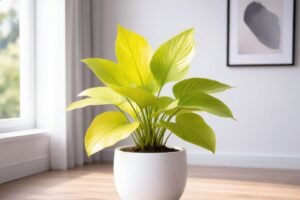
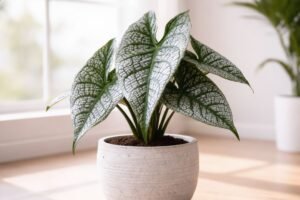
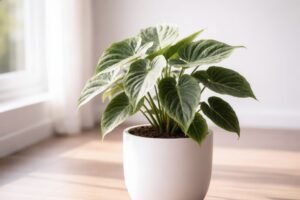
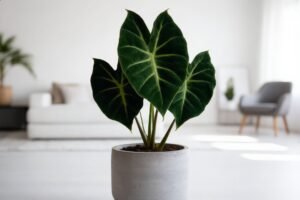
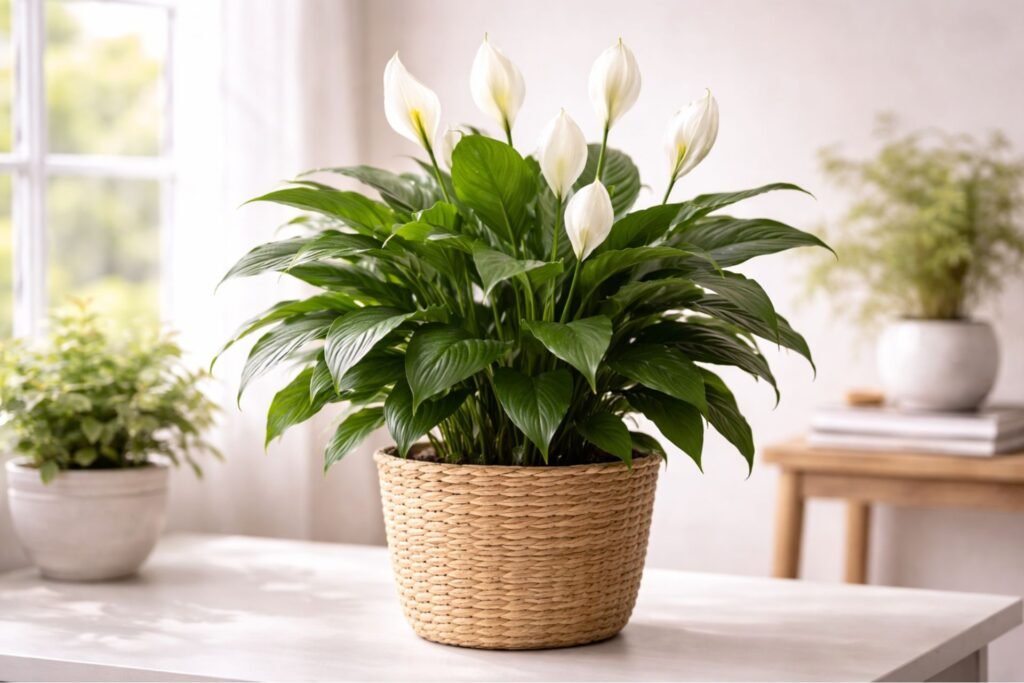
Peace Lily is a stunning tropical indoor plant known for its elegant white blooms and glossy green leaves. Native to Central America, this plant is highly valued for its air-purifying properties and ability to brighten indoor spaces with its graceful appearance.
Peace Lilies thrive in bright, indirect light and prefer consistent moisture. Unlike drought-tolerant plants, they enjoy slightly moist soil but should never sit in standing water. When thirsty, the leaves gently droop — a helpful signal for beginners.
This flowering houseplant prefers warm temperatures and moderate to high humidity, making it ideal for living rooms and well-lit indoor areas. With proper care, Peace Lilies bloom in spring and summer.
Although easy to grow, Peace Lily is toxic to pets if chewed, so placement should be considered carefully.
For anyone looking for a beautiful indoor flowering plant that also improves air quality, Peace Lily is a timeless and rewarding choice.
<p>Looking for low-maintenance options? See our <a href=”/plants/snake-plant/”>Snake Plant care guide</a>.</p>
<p>For another beginner-friendly flowering plant, check our <a href=”/plants/peace-lily/”>Peace Lily guide</a>.</p>
<p>If you love tropical plants, explore our <a href=”/plants/areca-palm/”>Areca Palm care guide</a>.</p>
Sunlight Guide
Watering Guide
Soil Guide
Repotting Guide
Temperature Guide
Winter Care Guide
Growth Information
Frequently Asked Questions
Peace Lilies should be watered weekly. Allow the top layer of soil to dry slightly before watering again to prevent root rot.
Yellow leaves on a Peace Lily usually indicate overwatering or poor drainage. Ensure the pot has drainage holes and avoid standing water.
Place your Peace Lily in bright indirect light and maintain high humidity. Regular feeding during the growing season encourages flowering.
No, Peace Lily is toxic to pets if ingested and may cause irritation or digestive issues.